
Peak Trail Ascent Vehicle Challenge
Reviews
Peak Trail Ascent delivers a pure driving challenge that stands out for its emphasis on terrain reading and resource management. The weather effects and day-night cycles change each run enough to keep practice interesting. The lack of checkpoints means every mistake sends you back to the start, which can be frustrating but also makes each successful climb feel earned. It is a lean experience without unnecessary features, perfect for players who want a straightforward test of driving skill.
About this game
Terrain and Weather Dynamics
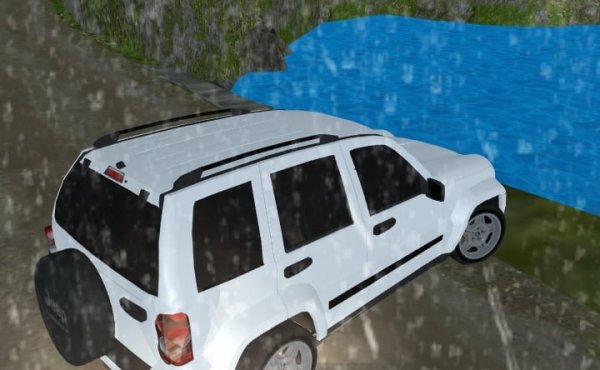
The core challenge in Peak Trail Ascent comes from its varied terrain and shifting weather conditions. Roads range from loose gravel to hard-packed dirt, with gradients that shift from gentle slopes to near-vertical climbs. Rain and fog can reduce visibility and change how the vehicle grips the surface. These conditions require drivers to adjust their speed and steering approach for each section of the trail. The game creates a sense of progression as you learn to read the landscape and anticipate how the car will react on different surfaces.
Vehicle Control and Resource Management
Success depends on mastering the vehicle's controls and keeping an eye on the fuel gauge. Standard driving inputs let you accelerate, brake, and steer, with a handbrake available for tighter turns. Fuel is limited on each run, so every detour or unnecessary acceleration costs precious resources. This adds a layer of strategy to what might otherwise be a straightforward driving challenge. Drivers must plan their route carefully, balancing the need for speed against the risk of running out of fuel before reaching the end of the path.
Level Structure and Visual Variety
The game presents a series of distinct courses, each with its own layout and set of obstacles. Some levels take place during the day, offering clear sightlines and warm lighting, while others shift to nighttime, where headlights become essential for navigating dark corners. This day-and-night cycle changes the feel of each drive and requires different techniques. The visual design focuses on natural landscapes, with trees, rocks, and steep drop-offs framing the road. This variety keeps each attempt fresh and encourages replay to master every route.
Progression and Skill Development
As you complete courses, you gain a better understanding of how to handle the vehicle under pressure. The game rewards patience and precision rather than raw speed. Learning to feather the throttle on loose surfaces or using engine braking on descents becomes second nature over time. There is no complex upgrade system or branching skill tree; improvement comes from practice and observation. This straightforward progression appeals to players who enjoy honing a single set of skills rather than managing multiple systems.
Comments
0 comments