
Counting Pairs Memory Challenge
Reviews
Counting Pairs Memory Challenge stands out for its thoughtful design that puts young learners first. The card-flipping mechanic is intuitive, and the gradual introduction of numbers prevents overwhelm. Bright colors and soft sounds create a calm atmosphere where children can focus. Parents will appreciate the complete absence of ads and the opportunity to join in without needing to read instructions. This game succeeds at what it sets out to do: making early math accessible and enjoyable for the youngest players.
About this game
Matching Mechanics
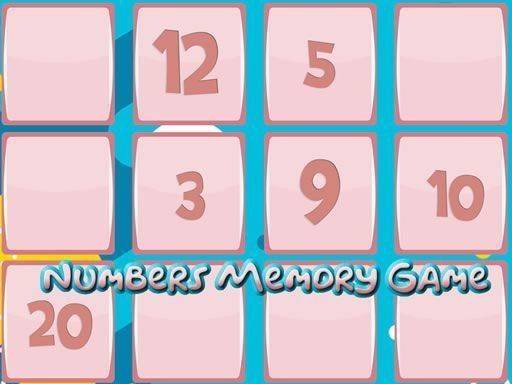
Players turn over cards to reveal numbers and then try to locate the matching numeral elsewhere on the board. Each successful pair reinforces number recognition without requiring any reading ability. The simple tap-to-flip control lets even the youngest participants engage fully on their own.
Visual and Audio Design
Each number appears in a distinct color against a clean background, helping children differentiate digits quickly. Soft sound effects accompany each card flip and successful match, providing positive feedback that encourages continued play. The interface avoids clutter, keeping young learners focused on the task.
Learning Progression
The game introduces numbers gradually, allowing children to become comfortable with a small set before adding more. Repeated exposure through play helps solidify number shapes and their order. Parents can observe which numbers their child finds challenging and offer extra practice.
Playful Exploration
There are no timers or penalties, so children can explore at their own pace. The forgiving design means mistakes are simply opportunities to try again, reducing frustration. This low-pressure environment supports natural curiosity and self-directed learning.
Parental Involvement
Adults can join in by naming numbers aloud during play, reinforcing the connection between the written digit and its spoken name. The game works well as a shared activity or as independent practice. Short sessions fit easily into daily routines without overwhelming young attention spans.









Comments
0 comments