
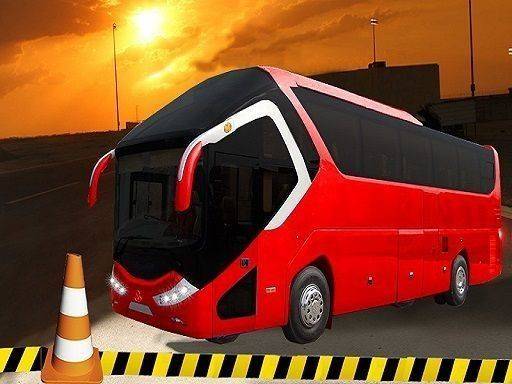
Urban Coach Parking Challenge
Reviews
Urban Coach Parking Challenge stands out for its focus on precision over speed, offering a calm but engaging experience. The controls feel responsive and weighty, making each parking maneuver a satisfying test of skill. The level design gradually introduces more complex scenarios, ensuring players stay engaged without frustration. The clear visual feedback helps improve technique over time. This is an excellent choice for anyone seeking a thoughtful, non-violent simulation game.
About this game
Core Gameplay Loop
Urban Coach Parking Challenge places players behind the wheel of a large passenger vehicle in a detailed city environment. The primary objective is to guide the coach from a starting point to a designated parking spot, following a set route marked by visual cues. Unlike open-world driving games, this title emphasizes control and accuracy over speed. Each mission presents a specific parking scenario, such as parallel parking between two cars or reversing into a loading bay. The challenge lies in the coach's size and turning radius, which demand careful planning and smooth inputs. Success is measured by how precisely the vehicle is positioned, with feedback provided on alignment and distance from obstacles.
Urban Environment Design
The game's city settings are designed to feel authentic, with narrow streets, traffic cones, and other vehicles creating realistic constraints. Each location introduces different environmental factors, such as one-way roads, pedestrian crossings, and varying curb heights. The visual style prioritizes clarity, with clear lane markings and parking guides that help players judge distances. As missions progress, the environments become more complex, incorporating multi-lane roads and tighter corners. This gradual increase in difficulty ensures that players build their skills without becoming overwhelmed. The attention to detail in the urban landscapes makes each parking attempt feel like a real-world task.
Control System and Feedback
Controls are designed to be intuitive, using on-screen buttons or tilt-based steering to manage acceleration, braking, and direction. The response is tuned to mimic the weight and inertia of a large coach, requiring gentle inputs to avoid overshooting the target. A visual indicator shows the vehicle's position relative to the parking spot, helping players adjust their approach. After each attempt, the game provides a score based on accuracy, time taken, and collisions. This feedback loop encourages players to refine their technique and replay missions to achieve higher ratings. The system rewards smooth, deliberate movements rather than quick, jerky actions.
Progression and Variety
The mission structure is linear, with each level unlocking after the previous one is completed. Early stages focus on basic maneuvers, such as straight-line parking in open lots. Later stages introduce angled parking, tight alleyways, and areas with moving traffic. This variety keeps the gameplay fresh, as each new scenario requires a different approach. Players must adapt to changing conditions, like narrower gaps or increased pedestrian activity. The sense of accomplishment comes from mastering these diverse challenges, with each successful park feeling like a genuine achievement. The game is designed to be accessible to newcomers while still offering depth for experienced simulation fans.








Comments
0 comments