
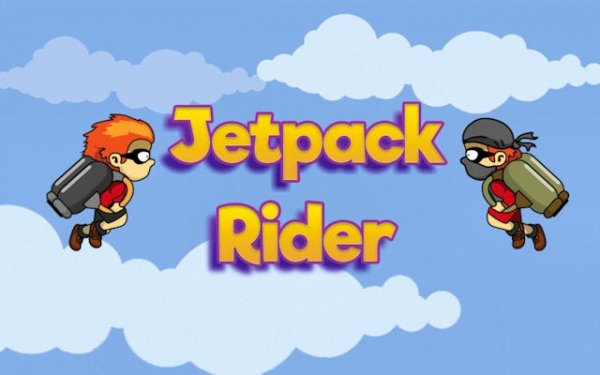
Aerial Dash Runner
Reviews
Aerial Dash Runner succeeds by focusing on one core mechanic and executing it well. The flight pack controls are intuitive but require practice to master, especially when navigating moving platforms and tight gaps. The visual design is bright and uncluttered, making it easy to read each obstacle. Coin collection adds a satisfying loop, and the shop offers meaningful choices without feeling pay-to-win. The difficulty curve is well-paced, giving beginners room to learn while still offering a solid challenge for experienced players. It is a polished, non-violent arcade experience suitable for the whole family.
About this game
Flight Mechanics and Control
In Aerial Dash Runner, players manage a limited burst of upward thrust to navigate through a series of floating platforms. The flight pack provides short, controlled boosts that must be used sparingly to maintain altitude and direction. Success depends on understanding momentum and gravity, as each platform may be stationary, moving, or tilted. This core system creates a puzzle-like feel where every jump and dash matters.
Obstacle Design and Variety
The game presents a range of environmental hazards that require quick reactions and foresight. Sharp barriers, energy beams, and sections of flooring that give way under weight are common. Later stages introduce more complex patterns, such as rotating barriers and collapsing walkways. Players must study each obstacle's behavior to find a safe path forward, making each level a test of observation and timing.
Coin Collection and Customization Options
Scattered throughout each stage are collectible tokens that serve two purposes. They act as a score tracker, encouraging players to explore every corner, and they function as in-game currency. The shop offers alternative character appearances and temporary enhancements that can be activated during tough sections. Choosing when to spend tokens on a new look versus a useful item adds a layer of personal strategy.
Difficulty Curve and Player Growth
The challenge ramps up gradually, ensuring newcomers can learn the basics before facing more demanding layouts. Early levels introduce single hazards and wide platforms, while later stages combine multiple obstacle types with tighter landing zones. This design rewards repeated attempts and pattern recognition, allowing players to develop their skills at a comfortable pace. The result is a satisfying progression that feels fair and encouraging.
Visual Style and Atmosphere
The game uses bright, colorful environments that change as players advance through different zones. Each area has its own theme, from industrial zones with metal platforms to natural landscapes with floating islands. The clean art style keeps the action clear and readable, which is essential for a game focused on precision movement. Background elements add depth without distracting from the gameplay.







Comments
0 comments